Payment Processing Advances Reveal Key Insights Into Player Access in Mixed Slot and Dealer Settings
Ben Frank · Oct 31, 2026
Payment Processing Advances Reveal Key Insights Into Player Access in Mixed Slot and Dealer Settings
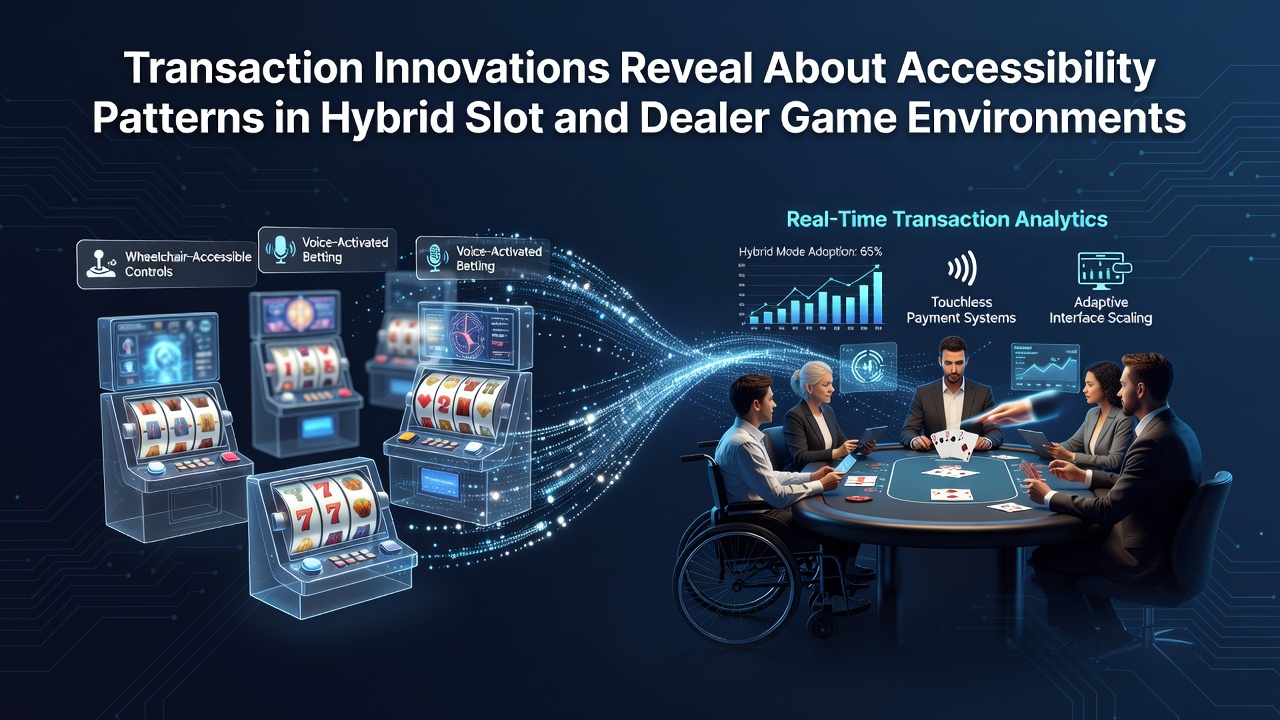
Transaction innovations continue to reshape how players interact with hybrid environments that combine slot machines and live dealer tables, and data from multiple regions illustrates clear shifts in access patterns during 2026. Observers note that real-time payment systems, digital wallets, and instant verification tools have reduced barriers that once limited participation in these blended formats, while figures from October 2026 show increased session continuity across both game types.
Core Transaction Changes Driving Access Shifts
Payment platforms now integrate directly with game servers so deposits and withdrawals occur without leaving the hybrid interface, and this seamless connection allows players to move between slots and dealer tables in the same session without repeated authentication steps. Researchers tracking usage patterns report that operators adopting single-sign-on payment layers recorded higher retention rates in mixed environments, because the friction of switching payment methods disappeared. Studies from the American Gaming Association indicate that automated verification reduced average onboarding time by more than half in markets where such systems launched before mid-2026.
Yet the same innovations also surface differences in how various player groups engage with the two game categories, and analysts examining transaction logs find that slot-heavy sessions often pair with smaller, more frequent deposits while dealer table activity correlates with larger, less frequent transfers. These patterns emerge consistently across platforms that combine both offerings, suggesting that payment speed influences not only entry but also the balance of time spent in each segment.
Accessibility Patterns Across Player Segments
Data collected through October 2026 reveals that younger demographics gravitate toward instant wallet options when entering hybrid lobbies, whereas older cohorts still rely on card-based methods even after faster alternatives appear. Observers note that this split affects how long each group stays engaged once inside the environment, with wallet users showing steadier movement between slot reels and dealer streams. Transaction records further demonstrate that regions with widespread mobile payment adoption experience fewer drop-offs at the transition points between automated and live games.
Take one European operator that introduced layered verification allowing quick top-ups during dealer rounds, and the result was a measurable rise in players completing multiple table sessions without exiting the platform. Similar outcomes appear in North American markets where regulators permitted faster payout rails, and those changes aligned with sustained activity across both slot and live segments rather than isolated spikes in one format.
Regional Variations and Data Sources
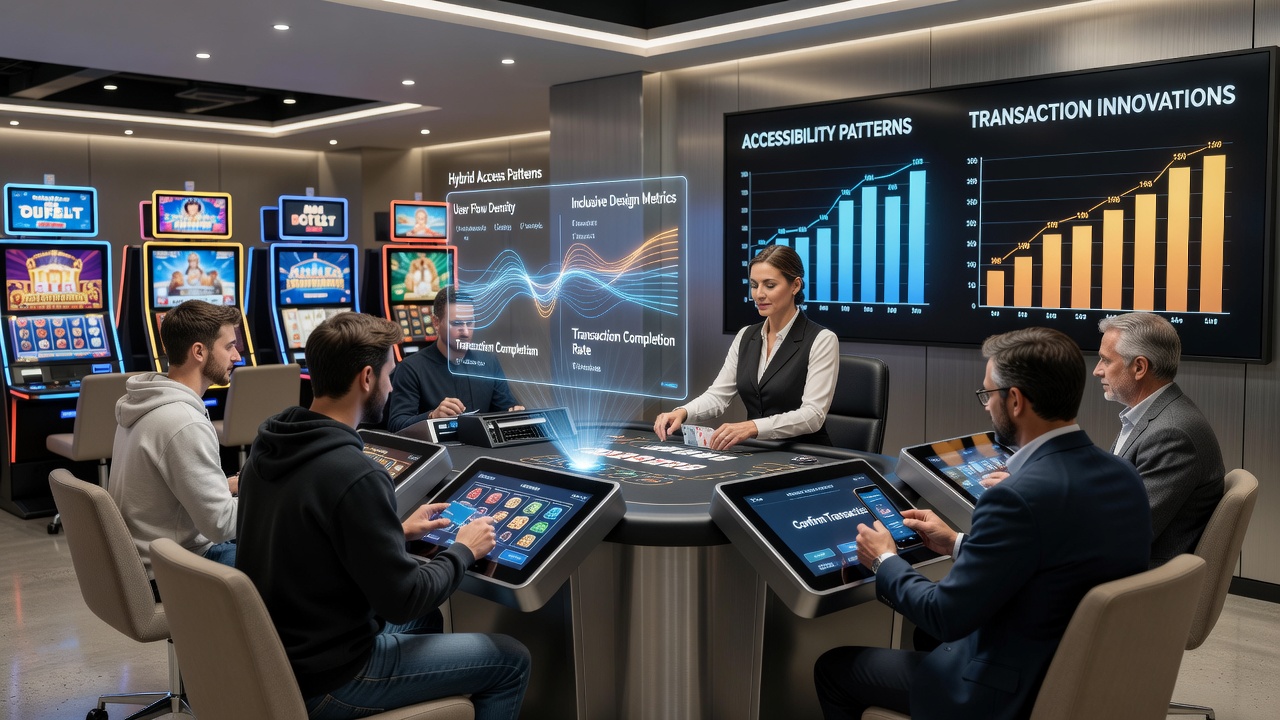
Comparative figures from different jurisdictions highlight how local rules around payment speed shape the accessibility landscape, and Australian regulatory summaries show that platforms offering instant bank transfers saw broader participation in hybrid titles than those restricted to traditional rails. Meanwhile, Canadian provincial data points to similar trends where wallet integration lifted cross-format play without increasing overall spend per session. These observations come from transaction volume reports rather than opinion surveys, and they consistently tie faster processing to more fluid movement between slot and dealer content.
One study released in late 2026 examined timestamped deposit data across multiple operators and found that the interval between a slot spin sequence and entry into a live dealer room shortened dramatically once instant verification became standard. The same analysis noted that withdrawal requests processed in under five minutes correlated with repeat visits to hybrid lobbies, suggesting that trust in transaction reliability encourages continued exploration of both game types.
Future Monitoring of These Patterns
Industry groups continue to collect granular transaction data to track whether accessibility gains hold steady or plateau, and preliminary October 2026 releases indicate that further integration of biometric confirmation could compress remaining delays. Analysts expect these developments to refine the observed patterns rather than overturn them, because the underlying link between payment immediacy and hybrid engagement has remained stable across tested markets.
Conclusion
Transaction innovations supply measurable signals about how players navigate hybrid slot and dealer environments, and the patterns documented through 2026 emphasize speed and seamlessness as central factors. Continued collection of payment-flow statistics from diverse regulatory sources will clarify whether these trends persist or evolve with new tools, yet the existing evidence already shows clear connections between processing advances and broader access across both game formats.